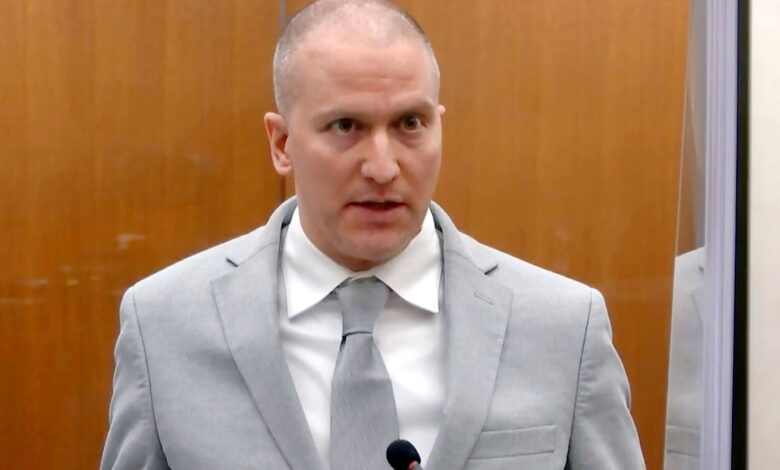
In recent discussions around criminal justice and civil rights, the topic of Derek Chauvin’s pardon has come to the forefront. Derek Chauvin, the former police officer involved in the death of George Floyd, received a conviction that sparked global protests and conversations about systemic racism. This article explores the concept of a pardon, how it could apply to Chauvin, and the broader implications it holds for justice in America.
What is a Pardon?
A pardon is an official release from punishment or legal consequences. It can be granted by a governor or, at the federal level, by the President of the United States. Pardons can have a significant impact on an individual’s life, restoring rights and clearing criminal records.
Key Points About Pardons:
- Types of Pardons:
- Full Pardon: Completely forgives the offense and restores all rights.
- Conditional Pardon: Imposes specific conditions that the offender must follow.
- Commuted Sentence: Reduces the length of a sentence without erasing the conviction.
- Application Process:
- Submit an application to the relevant government authority.
- Meet specific criteria, including time served and behavior.
- Undergo a review process, which may include public hearings.
- Historical Context:
- Pardons have been granted throughout American history, often reflecting political decisions.
- Notable cases include Richard Nixon and his Watergate scandal.
The Derek Chauvin Case
In April 2021, Derek Chauvin was convicted of second-degree unintentional murder, third-degree murder, and second-degree manslaughter. His actions during the arrest of George Floyd, where he knelt on Floyd’s neck for over nine minutes, led to outrage and a worldwide movement against police violence.
Implications of His Conviction:
- Public Outcry: Chauvin’s conviction was viewed as a rare moment of accountability in police brutality cases.
- Legal Consequences: He received a 22.5-year prison sentence. This was perceived as a step toward reforming systemic issues within law enforcement.
The Possibility of a Pardon
Pardons for high-profile cases can generate significant controversy. The question remains whether Chauvin could receive a pardon and what that would mean for society.
Factors That May Influence a Pardon:
- Public Opinion:
- The widespread protests and ongoing discussions about police reform create a challenging environment for any potential pardon.
- Political Climate:
- The political landscape plays a crucial role. Elected officials’ views on criminal justice reform and public safety can impact decisions.
- Legal Arguments:
- Chauvin and his legal team would likely argue for a pardon based on claims of excessive sentencing or claims that justice was not served.
Public Reaction to Pardon Talks
Discussions around a pardon for Derek Chauvin evoke strong emotions. Many believe that a pardon would undermine the justice system and signal that police misconduct is tolerated.
- Supporters of Pardon:
- Some argue that Chauvin has served enough time and that forgiveness should be part of the justice process.
- Opponents of Pardon:
- Many feel that a pardon would erase accountability and diminish the significance of George Floyd’s death.
Conclusion
The idea of a pardon for Derek Chauvin remains a contentious issue. As conversations about criminal justice evolve, it is crucial to consider the implications of such decisions. Pardon discussions reflect broader themes of accountability, systemic reform, and societal values.
The outcome of Chauvin’s case may set precedents for how future cases of police misconduct are handled. Understanding pardons in this context is vital as society grapples with issues of law enforcement and justice.